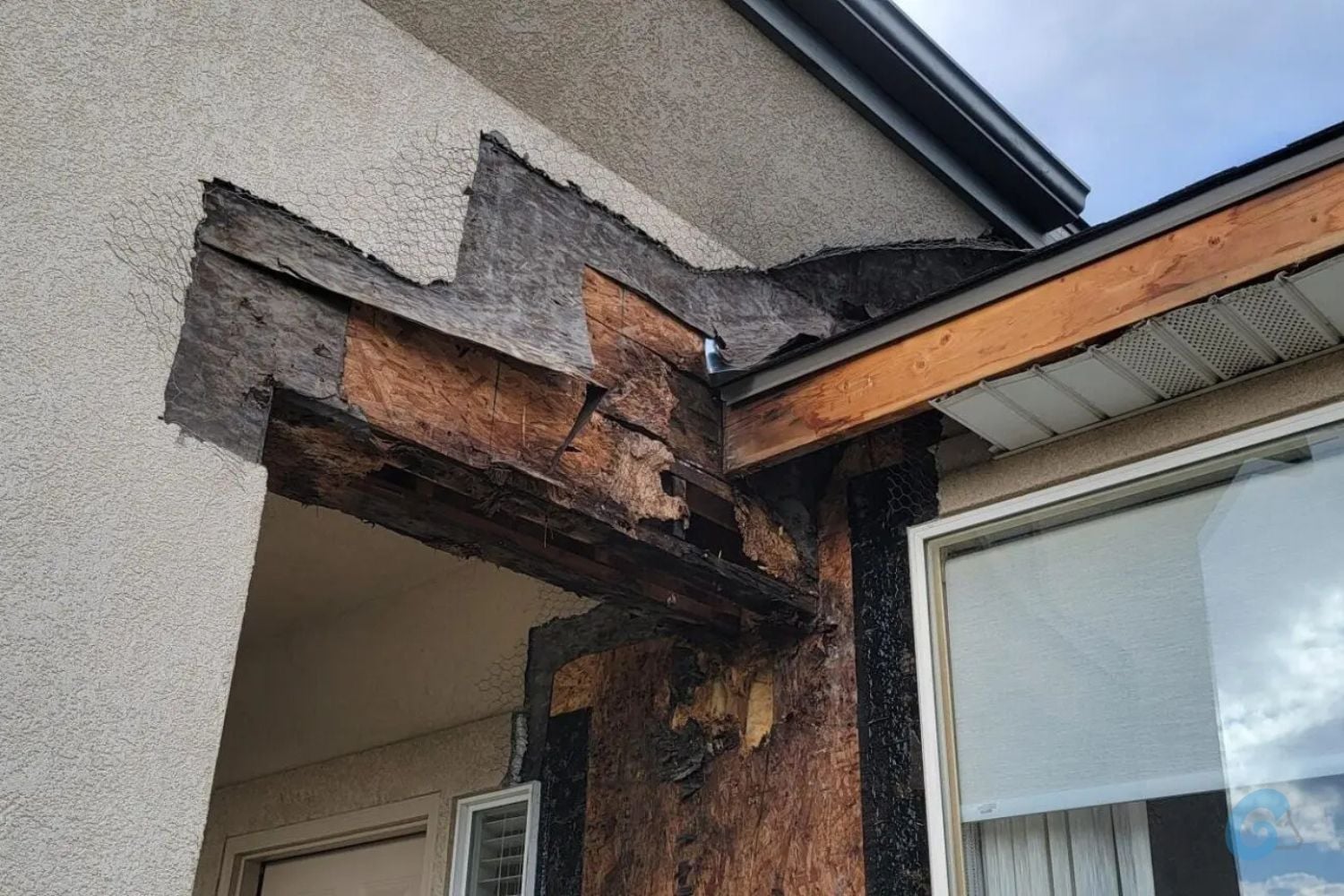
When you think about protecting your property from rain and snow, your roof probably gets most of the attention. However, some water problems develop where the roof meets an exterior wall. These roof-to-wall connections involve multiple materials and components that must work together to direct water away from the building. When something fails at that transition, moisture can affect the surrounding stucco and wall assembly. For Utah homeowners, apartment complex managers, and multi-unit property managers, addressing vulnerable roof-to-wall areas before extended wet weather can help prevent a localized problem from becoming a larger exterior repair.
A roof-to-wall connection is more than the point where two exterior surfaces meet. These transitions must manage water moving across the roof while protecting the vertical wall from moisture intrusion. Flashing and other water-management components are installed around these areas to help direct water toward the exterior rather than behind the stucco or into the wall assembly.
If flashing is damaged, improperly integrated, or no longer performing as intended, water may find a path behind exterior materials. You may not immediately see where the problem started because moisture can travel beyond the original entry point. That is why staining or deterioration on an exterior wall can sometimes be connected to a problem higher up at the roof-to-wall transition.
Utah properties experience changing weather conditions throughout the year, including rain, snow, freezing temperatures, and periods of intense sun. By fall, existing weaknesses around roof-to-wall connections may become more noticeable as wetter and colder conditions arrive.
You may see cracking or deterioration in stucco near the roofline, staining, damaged sealants, or other signs that water is not being managed correctly. Ignoring these warning signs gives moisture additional opportunities to enter areas that are supposed to remain protected. Once water moves behind the exterior surface, simply repairing what is visible may not address the original source of the problem.
When damaged stucco appears near a roofline, it can be tempting to treat it as an isolated stucco repair. The visible damage, however, may only be showing where a larger moisture-management issue has surfaced.
Effective roof-to-wall connection repair requires looking beyond the damaged finish. The surrounding transition should be evaluated to determine how water is entering and whether flashing, sealants, stucco, or related components need attention. Repairing the stucco without correcting the source of the moisture could allow the same problem to return. A more complete repair addresses both the water-entry point and the exterior materials affected by it.
Waiting for a visible interior leak is not the best way to determine whether a roof-to-wall connection is performing properly. Exterior deterioration can provide earlier warning that water is reaching areas where it does not belong.
RAM Builders Stucco & Exteriors works with Utah homeowners, apartment complexes, and multi-unit properties to address stucco roof-to-wall connection damage caused by water intrusion. Their team can evaluate the affected area, identify the source of the problem, and complete the exterior repairs needed to restore the connection and surrounding stucco.
Before Utah's wetter and colder weather settles in, paying attention to these transition areas can make a significant difference. When the roof, flashing, stucco, and wall connection work together properly, water has a controlled path away from the building. Addressing problems before repeated rain and snow arrive helps protect the exterior and reduces the chance that hidden moisture damage will continue spreading.